The Page That Held My Tears: Writing Through the Unthinkable With God
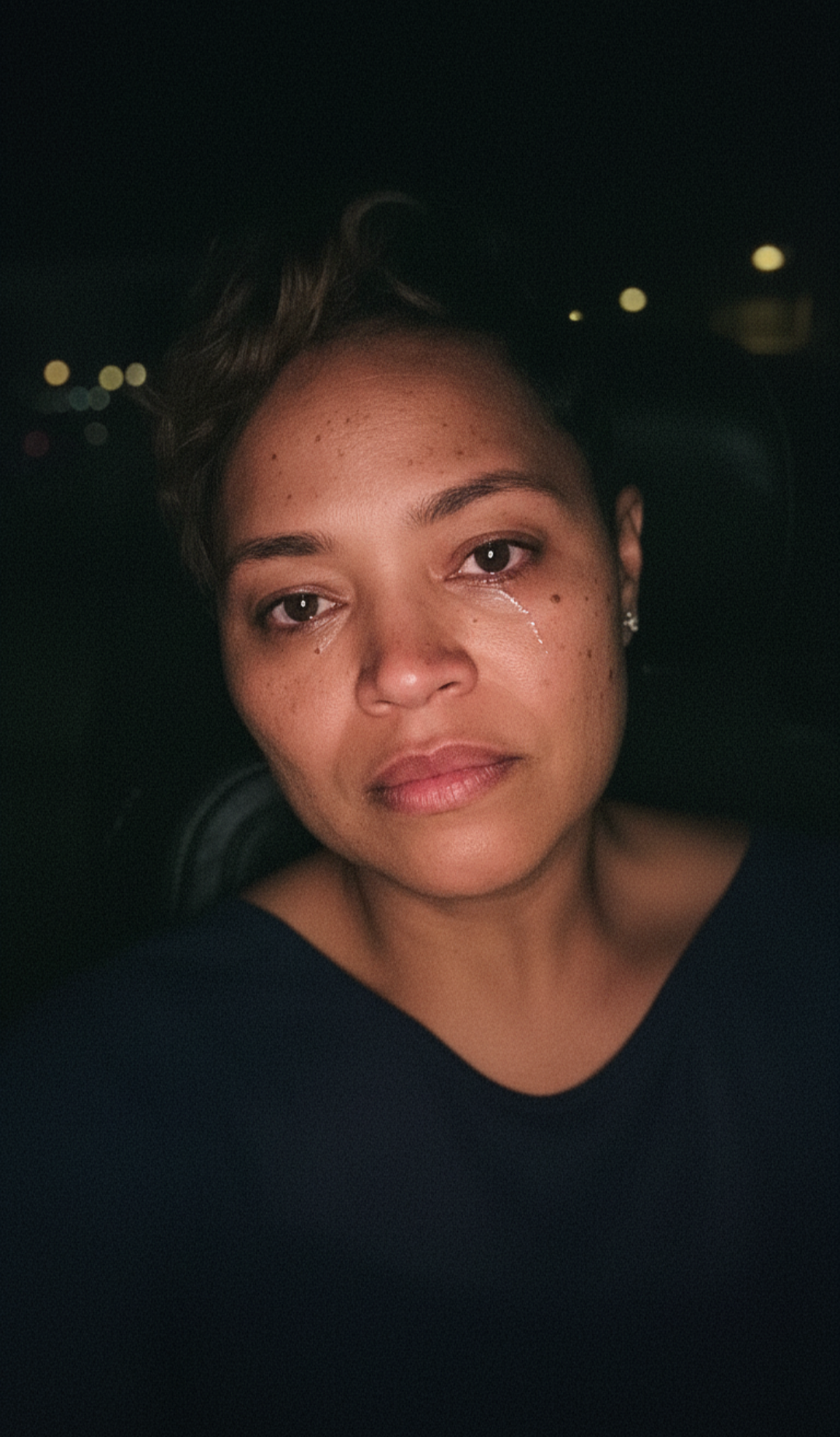
“There is a sacredness in tears. They are not the mark of weakness, but of power. They speak more eloquently than ten thousand tongues. They are the messengers of overwhelming grief, of deep contrition, and of unspeakable love.”
Washington Irving
I became a widow unexpectedly, a little over a year after I lost my mother. Both losses were sudden. My mother, Kem, passed in her sleep. My husband, Kent, collapsed. No warning. No preparation.
So the perspective I’m writing from is the perspective of sudden loss, the kind that turns a regular day into a nightmare, and splits your life into a “before” and an “after” overnight.
As I’ve attended and led grief support groups, my heart has gone out to those who’ve shared what it’s like to know your loved one is passing, to carry anticipatory grief, to say goodbye in slow motion, and to hold that kind of emotional weight day after day. That is grief that starts before the goodbye.
My heart also goes out to those, such as myself, who had no clue what was coming. No “prepare your heart” moment. No final conversations. No last questions. No last words, the way we would have said them if we’d known. Just ordinary moments your mind replays later, trying to understand how something so permanent could happen so suddenly.
I want to say this with care: this doesn’t mean sudden loss is better or worse than walking with someone through a known passing. These are simply different journeys for those of us who have loved and lost, and both carry their own kind of grief. With that said, my story has been shaped by sudden loss.
MY JOURNEY WITH SUDDEN LOSS
I lost my mom first, and it felt like the ground shifted beneath me. And when I was just starting to find my footing again, I lost my husband suddenly. It wasn’t the same kind of grief twice; it was a different kind of unraveling.
In seasons like this, people often ask, “How are you doing?” And I’ve learned some answers don’t fit in a sentence. When my response didn’t come wrapped up in “I’m fine,” some people got quiet. Some didn’t check in again.
That’s the strange thing about grief: it doesn’t only break your heart. It rearranges your relationships. It reveals what’s sturdy and what was only ever surface-level.
I didn’t need people to fix me. I needed them not to disappear.
If I’m honest, I’m usually the encourager, the listening ear, the one checking in on everyone else. But grief has a way of flipping the script, and I found myself wondering: How do you check on the one who’s usually checking on everyone else, especially after back-to-back losses that change everything?
I realized people were used to me being strong. So when I shared how I was really doing, it sometimes made them uncomfortable, not because they didn’t love me or were trying to be unkind, but because our relationships had a rhythm… and grief changed mine. They didn’t always know how to hold what I was carrying, or how to stay present when they couldn’t fix it.
So I started giving answers that made others feel better.
I offered the “I’m okay.”
I offered the “God is good.”
I offered the “I’m taking it one day at a time.”
Not because those things weren’t true, but because they were easier for people to carry as they walked away.
But grief doesn’t heal just because you can summarize it politely.
This is where I started back writing.
Not to be impressive. Not to “move on.” Not to turn pain into a platform.
I started back writing because I needed somewhere safe to tell the truth, somewhere I didn’t have to perform strength, or rush healing, or make it sound better than it felt.
And as I write, I carry love with me, not just loss. I honor my mother, Kem, with deep gratitude for the life she poured into me and the love that still covers me. And I honor my husband, Kent, with deep gratitude for the life we shared and the love that still shapes me.
That’s when I discovered it. You can carry love and loss in the same breath.
What I learned in that honesty was this:
Grief has a way of making you feel like you’re living in two worlds at once: the world where life keeps moving… and the world where everything has changed.
Writing became one of the ways God helped me stay present in both.
Here’s what writing has done for me in this season:
Writing gave my grief somewhere to go. I needed a place where I didn’t have to edit my emotions. The page could hold what I didn’t know how to carry.
Writing helps me name what I was experiencing. Sometimes grief is a fog. Writing helped me put language to the ache, the shock, the questions, and even the moments of unexpected peace.
Writing became a form of prayer. Some days, I didn’t have “pretty” words for God. I had honest ones. Writing helped me show up anyway, and I believe God honors that.
Writing reminded me that love is worth remembering. I wrote memories. I wrote what I missed. I wrote what I learned. I wrote what I still believe, even when my feelings were catching up slowly.
Writing helps me take the next step without demanding a full map. Grief has taught me that faith isn’t always loud confidence. Sometimes faith is simply choosing to take the next step and trusting God to meet you there.
If you’re grieving, whether you’ve lost a parent, a spouse, a child, a relationship, a dream, or the version of life you thought you’d have, Here’s one simple practice I’d encourage you to try:
You don’t have to be an author to write. You just have to be willing to be honest.
If you don’t know where to start, try one of these:
Write a letter to the person you lost
Write one memory you don’t want to forget
Write what you wish people understood about your grief
Write a prayer that starts with, “God, I don’t know what to do with this, but here it is…”
As you work through these reflections, know that you don't have to walk this grief alone. Writing is powerful medicine, but sometimes grief needs more than a page; it needs presence. If you're a widow or widower carrying loss that changed everything, I've created The Anchor: a private space for bereavement companioning, coaching, and steady support. No rushing. No performing. Just real grief, real faith, and real care. You deserve that.
IF YOU’RE STILL READING…
I’m still walking this out. Still learning how to live in a world that looks familiar but feels different.
But I can say this: writing has been one of the ways God has cared for me in grief, one page at a time.
When everything felt unsteady, the page became one of the places God anchored me, not by taking the grief away, but by giving me grace for the next breath.
Blessings,
Doc